
The Silent “L”: Why We Write Would, Could, and Should
The Silent “L”: Why We Write Would, Could, and Should
Mar 10, 2026

One spelling mistake children often make is writing wood instead of would, or cud instead of could.
The confusion is understandable. When we say these words aloud, we do not pronounce the l at all.
We say:
would → /wʊd/
could → /kʊd/
should → /ʃʊd/
So why does the l remain in the spelling? The answer lies in the history of the English language.
When the Silent “L” Was Once Heard
The word would comes from the Old English word wolde, which was related to the verb will. In early English, the l was clearly pronounced. Over time, however, pronunciation changed.
Languages naturally evolve. Sounds simplify, letters shift, and speech becomes quicker and smoother. In this case, the l sound gradually weakened when it appeared before the consonant d. As speakers said the word more quickly, wolde slowly transformed in pronunciation until the l disappeared from speech. The spelling, however, remained. See our previous post Why Word Origins Can Make Pronunciation and Spelling Confusing.
This is why we still write would with an l, even though we no longer pronounce it.
English spelling often preserves older forms of words, giving us a small window into the past.
How Could Gained Its “L”
Interestingly, the word could did not originally contain an l.
Earlier forms of the word appeared as coud or coude, reflecting its pronunciation more directly. However, as spelling became more standardized in the late Middle Ages, writers began to add the l to match the pattern seen in would and should.
The result was the modern trio we know today:
would
could
should
All three words contain a silent l, even though the letter no longer plays a role in pronunciation.
This is a good example of how spelling can sometimes be shaped not only by sound, but also by visual patterns.
The Silent “L” in Other Words
The silent l is not unique to these words. English contains several examples where the l remains in writing but disappears in speech.
Consider words like:
walk
talk
calm
half
In these cases, the l once represented a sound that has since weakened or vanished in many dialects of English. Again, the spelling preserves the older structure of the word.
Why This Matters for Young Spellers
For children learning to spell, words like would, could, and should can feel frustrating because phonics alone does not fully explain them. A child who writes wood or cud is simply spelling the word exactly as it sounds.
Understanding that some spellings reflect the history of the language can help make sense of these irregular forms. Instead of appearing random, they become part of a broader pattern within English spelling.
Learning Through Careful Observation
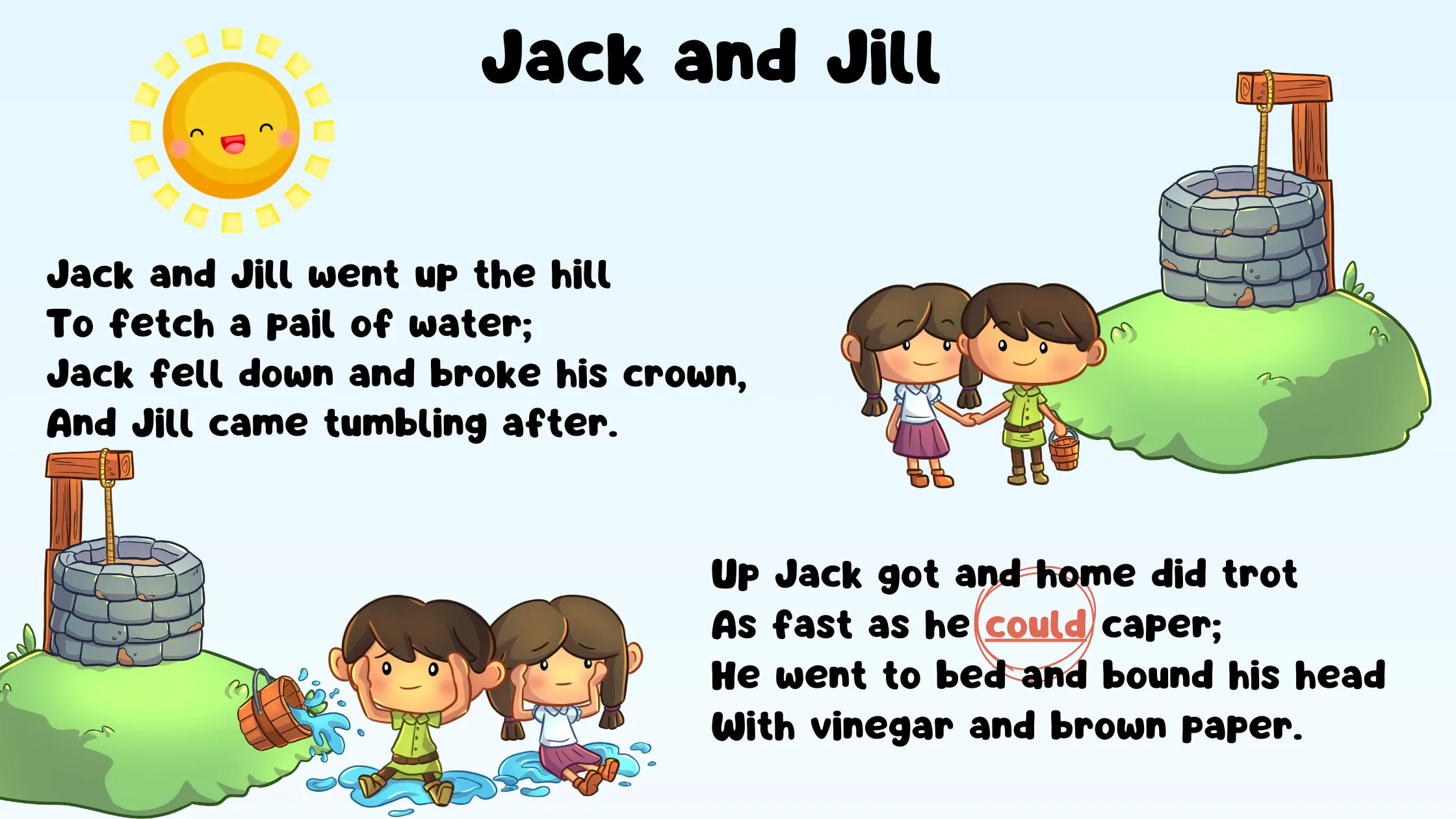
Charlotte Mason encouraged children to learn spelling through careful observation and transcription, rather than through endless lists of isolated words. When a child copies a well-written sentence slowly and attentively, the eye begins to recognise the correct form of words.
At Classical Wardrobe Press, we introduce spelling through the beloved Mother Goose nursery rhymes, combining word-building exercises and sight-word recognition while children discover and enjoy these traditional verses. Our goal is to spark joy and nurture a lasting love of learning.
Discover Learn to Read: A Sight Words and Phonics Workbook.
Over time, the shape of the word becomes familiar.
The child learns to see would, could, and should as whole forms, just as one recognises the familiar features of a friend’s face.

Spelling then grows through practice, attention, and visual memory. With steady exposure and thoughtful repetition, even words with silent letters become natural and easy to write.
A Language With a Long Memory
English spelling can sometimes seem unpredictable, but it often carries traces of the past. The silent l in would, could, and should is one small reminder that our language has been shaped by centuries of change.
When we understand these patterns, spelling becomes less mysterious and more meaningful. And with time, children begin to see that English spelling is not random, it is simply a language with a long memory.